Birch: A Decorative Display Font for Bold Headlines
Sometimes a project doesn't just need words; it needs a visual anchor. You're designing a poster for an indie film festival, crafting the logo for an artisanal coffee roaster, or laying out a magazine cover that needs to leap off the shelf. The standard workhorse fonts are fine, but they lack the necessary punch. This is where a typeface like Birch enters the picture. It's not designed to blend in. Birch is a premium display font built for one primary purpose: to command attention with artistic flair and a strong, unforgettable personality.
Understanding Birch's Visual Character and Personality
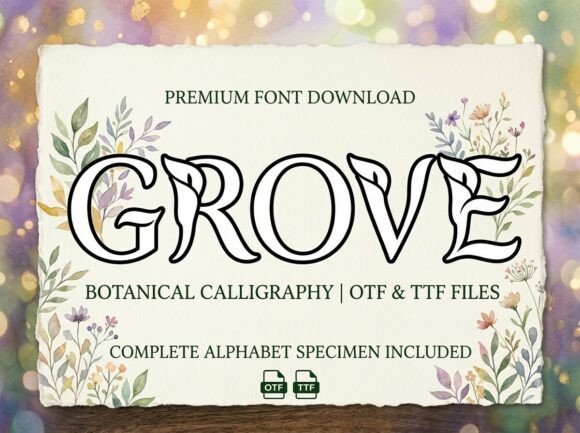
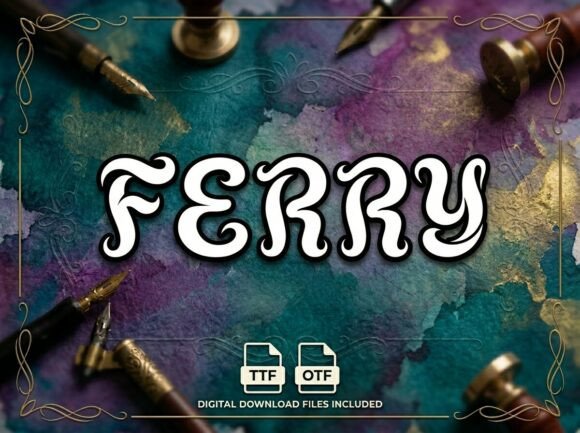
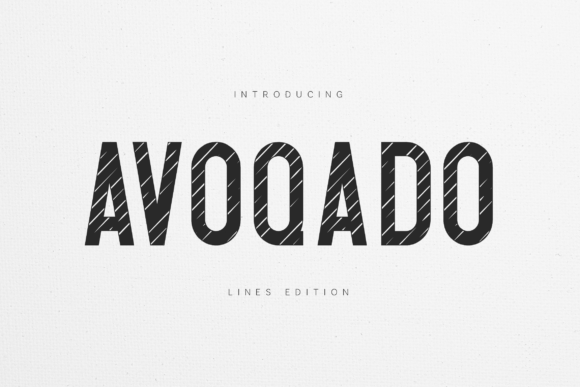
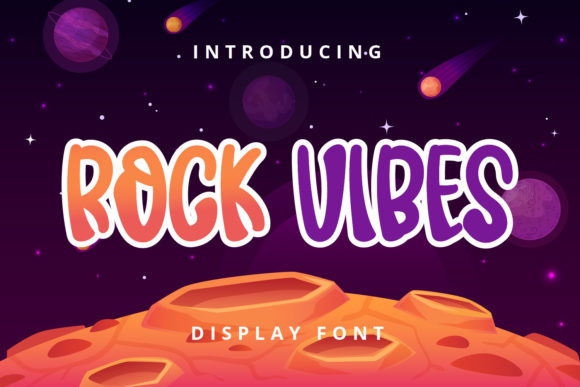
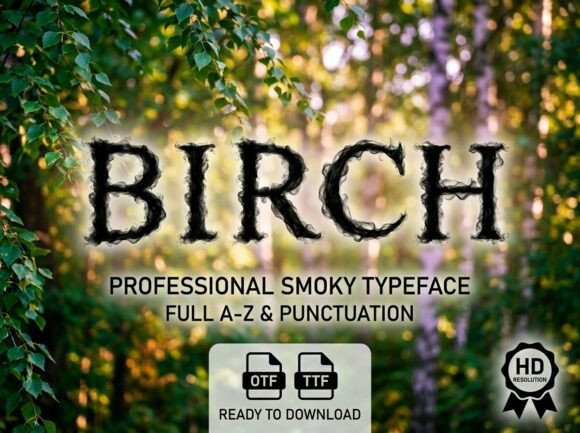
At its core, Birch is a decorative display typeface. This means its design prioritizes unique, artistic expression over the neutral readability required for long-form body text. Its visual characteristics are its strength. You'll notice that each letterform is treated as an individual piece of art, with distinctive details that give the font its strong visual personality. The style leans into a modern typography sensibility, where letter shapes are often stylized, incorporating elements that feel both crafted and contemporary.
The overall appeal of Birch lies in its ability to inject immediate energy and sophistication into a design. It avoids the whimsy of a handwritten font or the casualness of a script font, instead offering a polished yet edgy aesthetic. The key thing to remember, as with many high-impact display fonts, is that Birch is an ALL-CAPS typeface. It does not include lowercase letters. This is a deliberate design choice. The uppercase letterforms are where the unique artistic elements truly shine, creating a uniform, powerful texture when used for headlines, logos, and decorative initials. This characteristic makes it a specialized tool rather than a general-purpose one.
Where Birch Truly Shines: Practical Applications
Knowing a font looks great is one thing; understanding where to deploy it is the mark of a savvy creator. Birch's versatility as a creative font allows it to excel across a range of projects where making a statement is the goal.
- Branding and Logo Design: For businesses that want to project confidence, creativity, and a touch of avant-garde style, Birch can be a fantastic choice for a wordmark logo. Think of a boutique fashion label, a high-end restaurant, or a creative agency. The font's strong presence helps in building a memorable brand identity from the very first glance.
- Editorial and Packaging Design: In publishing, Birch can transform a book cover or a magazine headline, setting a specific tone—be it mysterious, luxurious, or rebellious. Similarly, in packaging design, it can make a product stand out on a crowded shelf. Imagine it on a craft beer label, a box of gourmet chocolates, or the sleeve of a vinyl record.
- Digital and Print Marketing: From bold headlines on a website's hero section to eye-catching social media graphics, Birch helps cut through the digital noise. It's equally effective in print for event posters, flyers, and advertising campaigns where you need to convey a message quickly and stylishly.
- Personal and Commercial Projects: Don't limit its use to client work. Birch is an excellent design asset for personal projects like custom invitations, apparel mockups, or art prints. For small business owners, it can add a layer of professionalism and unique character to marketing materials without requiring a full custom typeface design.
Integrating Birch into Your Design Workflow
Adopting a new typeface like Birch into your toolkit requires some thoughtful consideration. It’s not about simply swapping it in; it’s about leveraging its strengths to enhance your work's overall impact.
First, consider your project's specific needs. Is the primary goal to create a bold, decorative headline that draws the eye? Birch is likely a perfect fit. If you need a font for paragraphs of text, you'll want to pair it with a highly legible serif font or a clean sans serif font for body copy. Birch works best when it has space to breathe, so pair it with something more neutral and understated. A simple sans serif like Helvetica or a classic serif like Garamond can provide a beautiful contrast, allowing Birch's personality to lead without overwhelming the entire design.
When you download the font, you'll receive both OTF and TTF files. The OTF (OpenType Font) file is the professional standard, offering advanced typographic features in software like Adobe Illustrator or InDesign. The TTF (TrueType Font) ensures universal compatibility across all devices and systems, making it a reliable choice for web use or when collaborating with others. Always test the font in your specific design environment to ensure it renders correctly and integrates smoothly with your other assets.
Finally, a note on licensing. For any commercial use—whether it's for a client's logo, products for sale, or marketing materials—it's crucial to ensure you have the correct commercial license. This protects both you and the font creator. Birch, as a premium font, comes with licensing terms that outline its permitted uses, so reviewing those details before finalizing a project is a professional best practice. By understanding Birch's capabilities and limitations, you can make an informed decision, ensuring this distinctive typeface becomes a valuable and effective part of your creative process.