Longhair: A Warm, Hand-Drawn Typeface for Friendly Designs
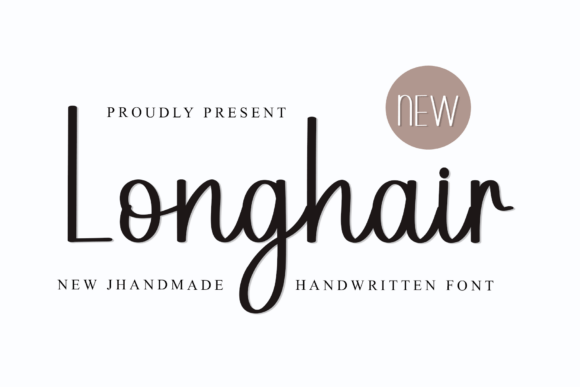
Finding a font that feels genuinely approachable can be tricky. Many typefaces lean too formal, too generic, or too quirky for everyday creative work. Longhair strikes a different balance. It’s a casual, hand-drawn font that radiates warmth and friendliness through its rounded, playful strokes. The overall aesthetic is relaxed and inviting, making it a versatile asset for projects where personality matters more than rigid professionalism.
What sets Longhair apart is its charming, slightly irregular character. The strokes have a soft, hand-lettered quality that avoids looking overly polished or mechanical. This gives it an authentic, human touch—like something sketched in a notebook rather than generated by software. The font feels approachable and fun, without sacrificing legibility. It’s designed to connect on a personal level, making it ideal for contexts where you want to build rapport or convey a sense of creativity and ease.
Where Longhair Shines: Practical Applications
Longhair’s friendly demeanor makes it a natural fit for personal projects and community-focused designs. Think birthday invitations, greeting cards, or event posters for local workshops. Its warmth translates well to social media graphics, especially for brands in lifestyle, wellness, food, or artisanal crafts. The font helps content feel more relatable and less corporate, which can boost engagement on platforms like Instagram or Pinterest.
For entrepreneurs and small business owners, Longhair can soften a brand’s visual identity. It works nicely for logos, packaging, or website headings for businesses that want to appear welcoming and down-to-earth—like a cozy café, a handmade jewelry shop, or a yoga studio. In editorial design, it can add personality to magazine pull quotes, blog post titles, or newsletter headers. The key is using it in contexts where a touch of informality enhances the message rather than undermines it.
How Font Choice Influences Perception and Readability
A font like Longhair does more than just display words; it shapes how your audience perceives your content. Its rounded, soft forms can make a brand seem more approachable and less intimidating. This can be particularly valuable for businesses targeting families, creatives, or communities where trust and friendliness are priorities. The handwritten style also adds a layer of authenticity, which can help small brands feel more genuine and personal.
However, readability should always guide your font choices. Longhair is best used for headlines, short phrases, or accent text rather than long paragraphs of body copy. Its decorative nature means it’s more effective as a display font than a workhorse for extended reading. When used appropriately, it creates a strong visual hierarchy—drawing the eye to key messages while pairing well with cleaner sans serif or serif fonts for supporting text. This balance ensures your design remains both engaging and easy to consume.
Practical Tips for Using Longhair in Your Projects
Before committing to Longhair, test it in the context of your specific project. View it at the sizes you plan to use—whether for a website banner, a printed flyer, or a social media post. Check how it renders on different screens and in print. Consider the overall mood of your design: does the font’s casual, creative vibe align with your message? For more formal applications, like legal documents or academic papers, it might not be the right fit.
Pairing Longhair with other typefaces is where thoughtful design comes in. Since it’s a handwritten font, it often pairs well with simple, geometric sans serif fonts for body text, creating a clean contrast. Avoid pairing it with other highly decorative fonts, as this can create visual clutter. Look at the included styles and glyphs—Longhair comes with standard PUA encoded characters, making it easy to access in design software like Adobe Photoshop, Illustrator, Corel, and Canva.
Finally, understand the licensing. If you’re using Longhair for commercial projects—client work, products for sale, or branded marketing—ensure you have the appropriate commercial font license. Most premium fonts require this for business use. Reviewing the license terms upfront prevents issues later and ensures you’re using the font legally and ethically.
Building a Cohesive Visual Language
Using a font like Longhair consistently across your brand materials can strengthen recognition and cohesion. When applied thoughtfully to logos, social media templates, packaging, and digital ads, it becomes a recognizable part of your brand’s voice. This consistency helps audiences quickly identify your content and builds a sense of familiarity.
Remember, a font is just one element of a larger brand identity. It should work in harmony with your color palette, imagery, and overall design strategy. Longhair excels in roles where a touch of handmade charm adds value—whether you’re a blogger crafting engaging post titles, a designer creating social media graphics, or a small business owner developing packaging design that stands out on a shelf. Its strength lies in its ability to make designs feel human, approachable, and distinctly creative.