Molly: A Typeface for Bold, Unforgettable Design
Understanding the All-Caps Aesthetic
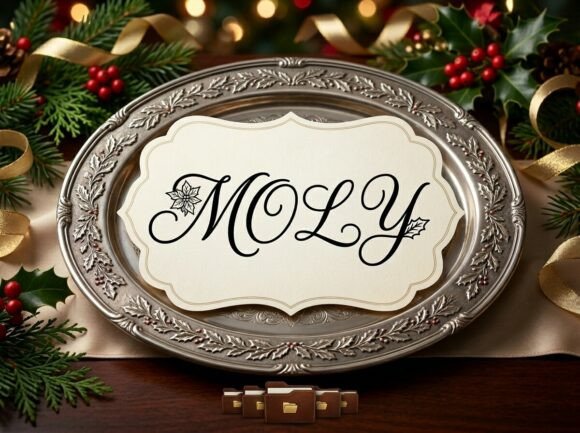
In the world of modern typography, not every project calls for a quiet, functional font. Sometimes, you need a voice that commands attention the moment it appears. Molly is that voice. This display font is built for impact, featuring strong geometric forms and unique artistic details that give each letter a distinct personality. It’s not a workhorse for body text; it’s a specialist tool for high-impact moments where every character needs to stand on its own as a piece of art.
The visual character of Molly leans into a decorative and confident style. Think of it as the typographic equivalent of a signature piece of jewelry or a bold accent wall. Its personality is assertive, creative, and slightly unconventional, making it ideal for projects that want to break from the mundane. Because it’s an all-caps typeface, it inherently creates a sense of uniformity and strength, but the unique styling of each letter prevents it from feeling monotonous or overly rigid.
Where Molly Finds Its Strength
The practical applications for a font like Molly are surprisingly diverse, though they share a common thread: the need for visual impact. In logo design, Molly can serve as the foundational type for brands that want to project creativity, confidence, and a modern edge. Its strong shapes ensure the mark remains legible and memorable even at smaller sizes, which is crucial for brand recognition across different media.
For editorial design and publishing, Molly shines in chapter titles, pull quotes, or magazine headlines. It draws the reader’s eye and sets a specific tone—whether that’s artistic, avant-garde, or simply bold. In packaging design, this premium font can elevate a product on the shelf, making it stand out in a crowded market. It works particularly well for lifestyle brands, artisanal goods, or any product where the packaging is part of the storytelling.
Digital spaces also benefit from its presence. As a creative asset for social media graphics, Molly can create scroll-stopping posts and stories. Its distinct look helps build a consistent visual language across a brand’s digital presence, from Instagram highlights to YouTube thumbnails. While it’s not suited for web design body copy due to its all-caps nature, it’s an excellent choice for website hero sections, landing page headlines, or call-to-action buttons where immediate engagement is key.
Making the Right Choice for Your Project
Choosing the right typeface is about more than just aesthetics; it’s about fit and function. Before integrating Molly into your workflow, consider the core message of your project. Does your brand or publication aim to be seen as innovative, artistic, and bold? If the answer is yes, Molly could be a perfect match. If your project requires a more traditional, serious, or highly readable tone for long-form text, a serif font or a clean sans serif font would be more appropriate.
A critical step in working with any display font is testing its readability in context. While Molly is designed for headlines, always check how it performs at the intended size and in the intended environment—whether on a printed brochure or a mobile screen. Pay attention to letter spacing (tracking) and line height (leading); all-caps fonts often benefit from slightly increased spacing to maintain clarity.
One of the most powerful techniques in modern typography is font pairing. Molly’s strong personality means it pairs best with simpler, more neutral companions. Try combining it with a clean sans serif font for body copy or a simple script font for occasional accents. This contrast allows Molly to take center stage without overwhelming the overall design. For example, a wedding invitation suite might use Molly for the couple’s names and a delicate handwritten font for the details, creating a balanced and elegant hierarchy.
Finally, understand the deliverables. Molly comes in both OTF and TTF formats, ensuring compatibility across professional design software and standard applications. This makes it a versatile addition to your library of design assets. However, always review the licensing terms to ensure they align with your project’s scope, especially for commercial use. A commercial font license typically covers most standard applications, but it’s good practice to verify for large-scale distribution or merchandise.
In essence, Molly is more than just letters on a page; it’s a tool for making a statement. By understanding its strengths and applying it thoughtfully, you can harness its unique energy to build a stronger brand identity, create more engaging publications, and design visuals that truly resonate with your audience. It’s a testament to how the right creative font can transform a good design into a memorable one.